

 24/12/2024
 Guide to Creating Virtual Reality Applications
Virtual Reality (VR) is a technology that is growing rapidly and attracting the attention of many application developers. This technology offers an immersive experience that can be used in a variety of industries, from e
 by Administrator
  Bestada
 Copy Link
  News
News Guide to Creating Virtual Reality Applications


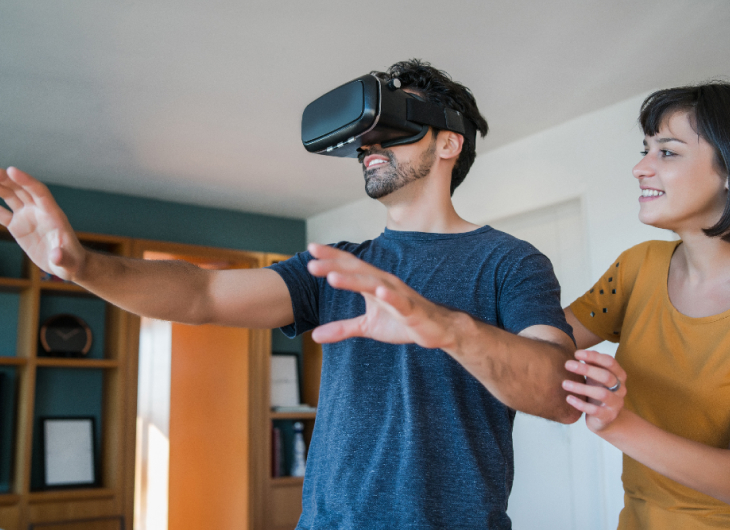
Virtual Reality (VR) is a technology that is growing rapidly and attracting the attention of many application developers. This technology offers an immersive experience that can be used in a variety of industries, from entertainment to education to professional training. If you're interested in creating a VR app, the following guide will help you understand the steps required to get started.
1. Understanding the Concept and Potential of VR
Before starting, first understand what Virtual Reality is and how this technology can provide added value. VR allows users to experience as if they were in a virtual world created by a computer. This provides a great opportunity for developers to create unique and innovative experiences.
Benefits of VR in Various Industries
-
Entertainment: VR games provide a new, immersive sensation.
-
Education: VR is used for learning simulations, such as surgical training or space exploration.
-
Business: Providing solutions for employee training and product presentations.
-
Health: Used for therapy and medical training.
2. Determine Goals and Target Users
The first step in VR application development is to determine the purpose of your application. Will your app be used for entertainment, education, or other purposes? After that, identify the target user. A clear understanding of your audience will help you create an app that suits their needs.
3. Choose the Right VR Platform
There are various VR platforms available in the market. Choose the platform that best suits your application needs. Some popular platforms are:
-
Oculus (Meta Quest): Suitable for high-quality, standalone applications.
-
HTC Vive: Used for more advanced VR experiences.
-
PlayStation VR: Oriented towards console users.
-
Google Cardboard: A cost-effective VR solution using a smartphone.
4. Use the Software Development Kit (SDK)
After selecting a platform, use the relevant SDK to start building the application. Here are some commonly used SDKs:
-
Unity: One of the most popular engines for VR application development, due to its flexibility and ease of use.
-
Unreal Engine: Suitable for VR applications with high-end graphics.
-
VRTK: A VR framework for Unity that makes it easier to create VR applications.
5. Immersive User Experience (UX) Design
UX design is very important in VR applications. Make sure users feel comfortable and fully engaged in your virtual world. Some things to note:
-
Minimize Motion Sickness: Avoid movements that are too fast or unnatural.
-
Easy Interaction: Use intuitive controls.
-
Realistic Virtual Environment: Attractive and detailed virtual world design.
6. Create Quality Content
Content is the heart of your VR application. Make sure the visual, audio, and interaction elements in your app are of high quality to provide the best experience for users.
Important Content Elements:
-
Graphics: Use realistic 3D models.
-
Audio: Add background sounds and effects that enhance the atmosphere.
-
Interaction: Make sure users can interact with objects in the virtual world.
7. Test and Iterate
Before launching your app, perform thorough testing to ensure all features work properly. Invite users to try your app and provide feedback. Use this feedback to iterate and improve.
8. Publish and Market Your App
Once the application is complete, publish it on the relevant VR platform, such as Oculus Store or SteamVR. Don't forget to market your application with the right strategy, such as:
-
Social Media: Create promotional campaigns on popular platforms.
-
Demonstration Video: Demonstrate a VR experience on YouTube or other media.
-
Partnerships: Collaborate with relevant influencers or companies.
Conclusion
Creating VR applications requires a deep understanding of the technology and user needs. By following this guide, you can create innovative VR applications and provide amazing experiences for users. Don't forget to keep learning and following the latest technology trends so that your application remains relevant and competitive in the market.
Key Takeaways

- Practical technology insight
- Business-focused implementation
- Reliable IT planning
- Continuous improvement


