

 18/04/2025
 How Is IoT (Internet of Things) Changing Everyday Life?
In the current digital era, technology continues to develop rapidly and brings major changes in various aspects of life. One technology that has a significant impact is the Internet of Things (IoT). This term refers to a
 by Administrator
  Bestada
 Copy Link
  News
News How Is IoT (Internet of Things) Changing Everyday Life?


In the current digital era, technology continues to develop rapidly and brings major changes in various aspects of life. One technology that has a significant impact is the Internet of Things (IoT). This term refers to a network of devices connected to each other via the internet and capable of communicating with each other and exchanging data. But, how is IoT actually changing everyday life? Let's discuss it in more depth.
What is IoT?
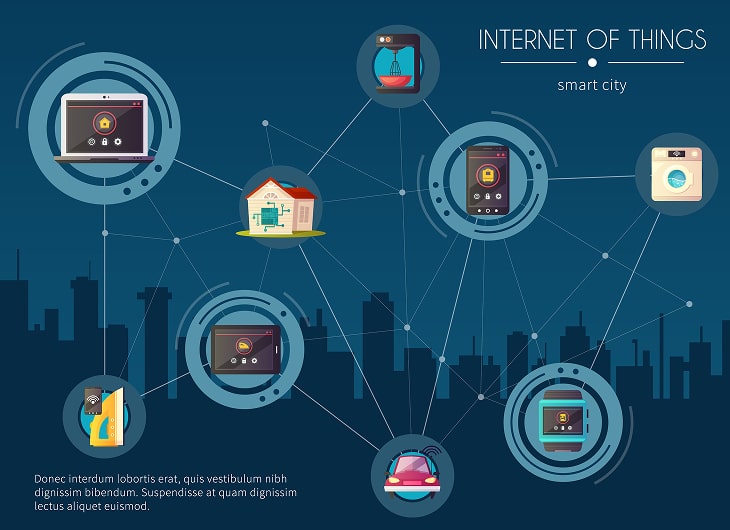
Internet of Things (IoT) is a system consisting of physical devices such as sensors, cameras, household appliances, vehicles and various other devices that are connected to the internet. These devices can collect, transmit, and receive data without direct human interaction, creating a more efficient and intelligent ecosystem.
The Role of IoT in Everyday Life
1. Smart Home
IoT allows us to control home devices such as lights, air conditioning, television and security systems remotely using a smartphone. For example, we can adjust the room temperature before coming home from work or turn on the lights automatically when it gets dark. All this makes life more comfortable, safer and energy efficient.
2. Transportation and Navigation
In the transportation sector, IoT is present through a GPS system connected to vehicles, providing real-time information about traffic, vehicle condition, and fuel efficiency. IoT is also the basis for the development of autonomous (driverless) vehicles which are increasingly popular.
3. Health and Fitness
Health devices such as smartwatches and fitness trackers rely on IoT to monitor heart rate, oxygen levels, sleep quality and daily physical activity. This data can be used by doctors for a more accurate diagnosis or as an early warning of certain medical conditions.
4. Energy Management
Through IoT devices, energy use can be managed and monitored more efficiently. For example, smart meters help users find out electricity consumption in real-time, so they can save on bills and protect the environment.
5. Shopping and Retail
IoT also helps in the shopping experience. Smart stores can track stock automatically and provide product recommendations based on customer preferences. In fact, cashierless payments are increasingly being used in modern stores.
The Benefits of IoT in Everyday Life
-
Time and energy efficiency
-
Increased comfort and security
-
Long term cost savings
-
More accurate data and information for decision making
IoT Usage Challenges
Even though it promises many benefits, IoT also faces challenges such as:
-
Data security and user privacy
-
Dependence on internet connection
-
Compatibility between different devices
Conclusion
IoT has changed the way we live, work and interact with the surrounding environment. From smart homes to digital health, these technologies provide conveniences that previously only existed in the imagination. However, it is also important to pay attention to the safety and ethics of using this technology. With wise use, IoT can become your best friend in everyday life.
Key Takeaways
- Practical technology insight
- Business-focused implementation
- Reliable IT planning
- Continuous improvement


