

Contact Info
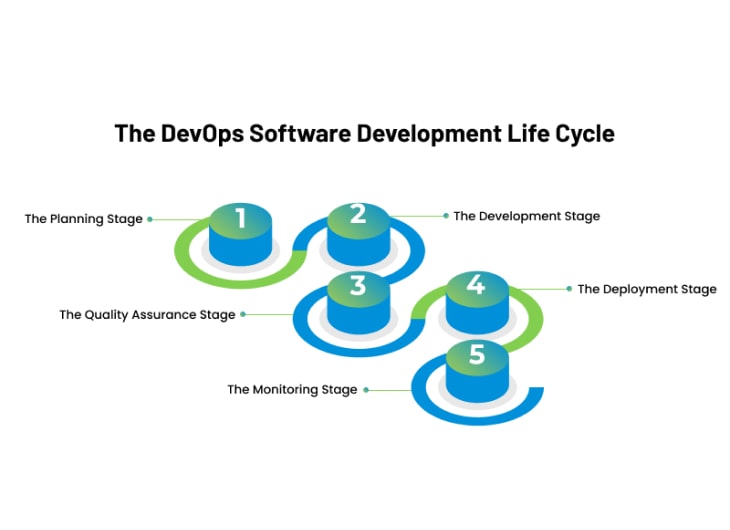
In today's rapidly evolving technological landscape, agility, efficiency, and collaboration are key to success in software development and deployment. DevOps, a methodology that combines development and operations, has emerged as a crucial component in achieving these goals. This article delves into the role of DevOps in software development and deployment, highlighting its benefits and best practices.
Understanding DevOps
DevOps is a collaborative approach that emphasizes communication, integration, and collaboration between software development and IT operations teams. It aims to streamline the software delivery process, enabling organizations to deliver high-quality applications faster and more efficiently.
Key Principles of DevOps
Collaboration: DevOps encourages close collaboration between development and operations teams, breaking down silos and fostering a shared responsibility for the software's performance and stability.
Automation: Automation of repetitive tasks and processes is a core aspect of DevOps. It ensures consistent and error-free deployments, saving time and reducing human error.
Continuous Integration (CI): Developers frequently integrate code into a shared repository, allowing automated builds and tests to run. This promotes early detection and resolution of integration issues.
Continuous Deployment (CD): The process of automatically deploying code to production or staging environments after passing automated tests, ensuring a seamless and efficient release cycle.
Monitoring and Feedback: Continuous monitoring of applications and infrastructure provides valuable feedback for improvement. Teams can quickly identify and address issues, enhancing the overall performance and user experience.
Benefits of DevOps
Accelerated Time to Market: DevOps practices facilitate faster delivery of features and updates, enabling organizations to respond quickly to market demands and stay ahead of the competition.
Improved Quality and Reliability: Automation and continuous testing in DevOps ensure higher software quality, reducing defects and enhancing product reliability.
Cost Efficiency: Automation streamlines processes, reducing manual effort and associated costs. DevOps practices optimize resource utilization and lead to cost savings.
Enhanced Collaboration and Communication: DevOps promotes a culture of collaboration and open communication, aligning teams towards common goals and fostering a sense of shared responsibility.
Increased Customer Satisfaction: By delivering high-quality software with regular updates, organizations can meet customer expectations and enhance satisfaction, ultimately driving customer loyalty and retention.
Best Practices for Implementing DevOps
Establish Clear Goals and Objectives: Define specific, achievable goals for implementing DevOps, aligning them with organizational objectives and ensuring buy-in from all stakeholders.
Invest in Automation Tools: Select and integrate suitable automation tools for continuous integration, continuous deployment, testing, and monitoring to maximize efficiency and accuracy.
Cultivate a Collaborative Culture: Foster a culture of collaboration, trust, and knowledge sharing among development and operations teams, breaking down barriers and promoting collective ownership of the software delivery pipeline.
Prioritize Security: Integrate security practices into the DevOps pipeline from the outset to ensure that security remains a fundamental consideration throughout the development and deployment lifecycle.
Monitor and Iterate: Continuously monitor and measure the performance of the software and the DevOps processes. Use the data and feedback to identify areas for improvement and iterate on your DevOps practices.
In conclusion, DevOps plays a pivotal role in modern software development and deployment. By embracing its principles and best practices, organizations can achieve faster, more reliable software releases, leading to improved customer satisfaction and a competitive edge in the market.